Green Skills in Manufacturing: Building a Competitive, Future-Ready Workforce
How manufacturing skills are evolving to drive productivity, efficiency and growth
09.02.2026
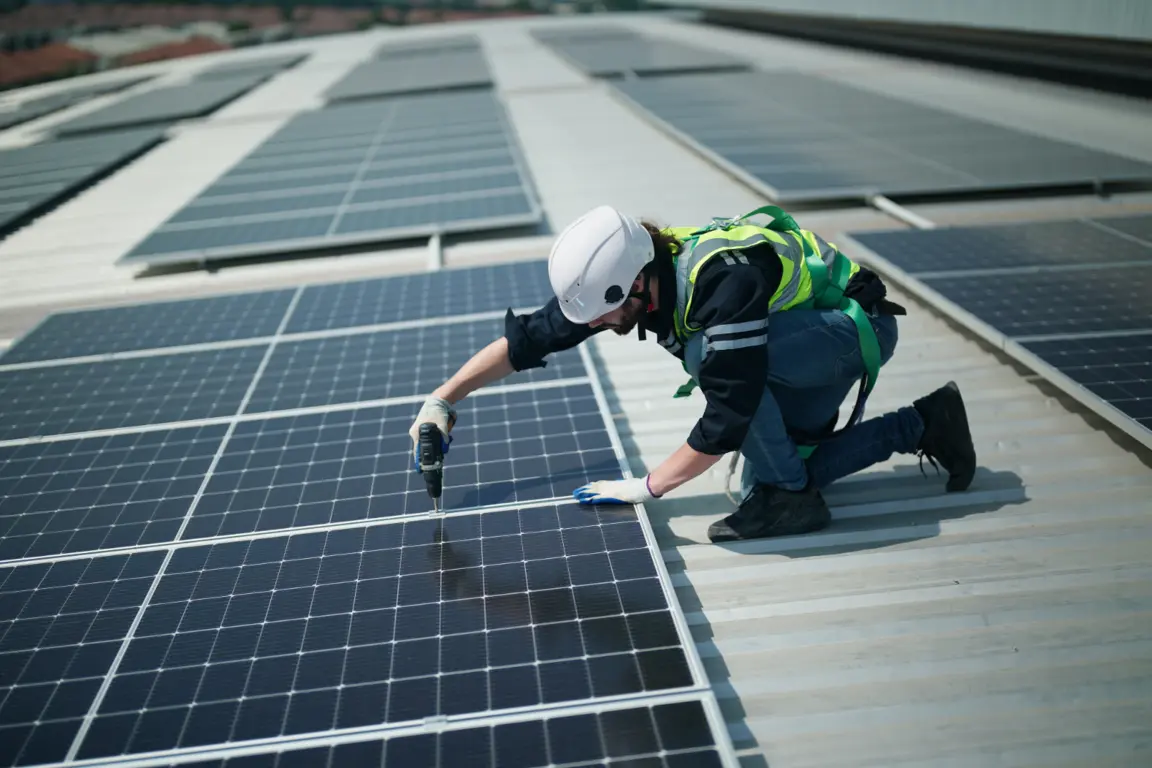
As the UK moves towards net zero, green skills are becoming a core part of how manufacturers operate. For most firms, this transition is not about creating entirely new roles, but about adapting existing jobs as production processes evolve. Traditional manufacturing skills remain essential, but are increasingly combined with digital, automation and sustainability expertise.
Our new paper, Green Skills in Manufacturing, sets out how the green transition is reshaping skills demand across the sector, and why current policy is not moving quickly enough to support manufacturers, particularly SMEs.
- Green skills are largely an evolution of existing manufacturing roles, increasing pressure on skills that are already in shortage, such as engineering, welding and advanced technical occupations.
- Demand for higher-level technical and digital skills is rising across manufacturing, while employers continue to struggle to recruit at Level 7 and above.
- Green skills policy is heavily focused on clean energy generation, with far less attention given to manufacturers as energy users and employers.
- Inconsistent regional delivery, limited employer engagement, and a mismatch between training provision and industry need are holding back progress.
Why it matters
Green skills are critical to improving productivity, reducing costs, meeting regulatory requirements, and maintaining access to international markets. Without targeted support for manufacturing, the sector risks losing skilled workers to competing industries and falling behind global competitors.
This paper sets out the current skills landscape, highlights gaps in policy delivery, and makes clear recommendations to ensure manufacturers can upskill their workforce and remain competitive through the green transition.