Opening Young Eyes to Industry on National Manufacturing Day
National Manufacturing Day is an opportunity for manufacturers to open their doors, challenge outdated perceptions and show young people the wide range of careers available across modern industry.
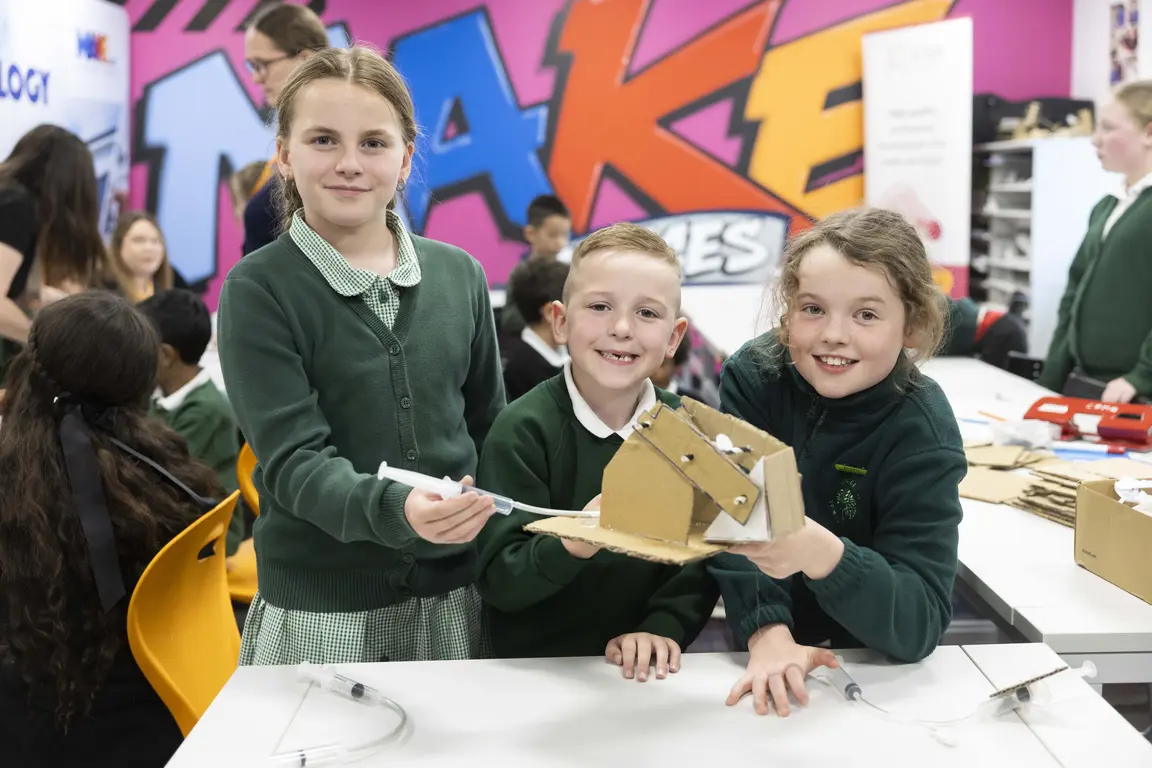
Ahead of National Manufacturing Day 2026, which takes place on Thursday 24 September, we spoke to Mrs Natalie Leonard, Year 1 Class Teacher and Ogden Trust Partnership Coordinator at Whoberley Hall Primary School in Coventry, about how manufacturers can inspire the next generation and help children see the real-world value of STEM.
Drawing on her experience as a primary teacher supporting a network of schools across Coventry, Natalie explains why early exposure matters, which activities spark curiosity and what businesses can do to make a lasting impact.
Young children love making things, even if they do not yet understand manufacturing as an industry. In early years settings, pupils build with wood, paper and anything else they can find, proudly carrying home creations that often surprise parents in scale and imagination.
By around age six, that instinctive making becomes more structured. At primary level, pupils may learn a specific skill, join or process in Design and Technology before designing, making and evaluating a product. How much independence they have often depends on school resources, teacher confidence and time.
Materials are taught separately in science, while computer-aided design may sit within computing, so children do not always see how different subjects connect in real-world manufacturing.
For many primary-aged children, manufacturing can therefore mean making specific products in a specific way. When asked about manufacturing careers, Natalie says pupils often jump straight to “cars”, reflecting limited exposure to the breadth of modern industry.
That is beginning to change. Schools increasingly want to build children’s cultural capital early, expose them to STEM careers and link learning so pupils can problem solve independently and recognise the opportunities open to them.
Challenges work well across all age groups. Whether teamwork, a quick creativity task or a longer project, pupils respond strongly when given materials, a design brief and an incentive. It builds skills naturally and lets them lose themselves in the creative process.
Science projects and fairs can be especially powerful, allowing children to investigate and answer their own questions. Natalie points to the 2026 Coventry University Science Fair, where more than 500 pupils created and explored a significant scientific question before showcasing their projects in front of a lecture theatre full of aspiring scientists.
For Natalie, the aim is not just to teach enquiry skills, but to build confidence and self-belief. Without that, some children may lack the stamina for open-ended challenges, so schools need to choose enrichment opportunities carefully.
STEM visitors can also spark excitement, especially when they bring something memorable. Natalie recalls visitors from careers including nursing, engineering, design, construction, architecture, gardening and clean energy. Even one hour of a professional’s time can help children see new possibilities.
Not every child enjoys highly investigative or creative STEM. Without structure, some tasks can cause anxiety and make problem-solving harder. The best activities support each pupil in a way that builds on their strengths.
Every child gains knowledge at school, but the best education also gives pupils the skills and confidence to discover things for themselves.
Within individual subjects, children may learn about materials, computer-aided design, manufacturing processes and real-world environmental challenges. To be fully successful, however, they need to link that learning across subjects and apply what they know to new situations. Schools are increasingly widening the curriculum to support this, but without real-world contexts, visitors and experiences, the opportunities for children to make those connections can be limited.
Manufacturers can help by creating career profiles, videos and blogs that schools can use flexibly in reading sessions, assemblies and lessons. Even better, businesses can visit local primary schools and show pupils that what they are learning has a real-world impact and could lead to an inspiring future.
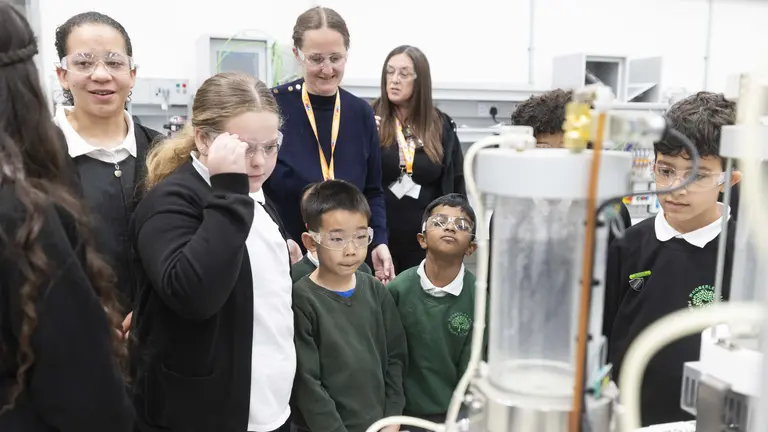
Mrs Leonard (centre, left) and her pupils during a visit to Make UK's Technology Hub in Aston
For Natalie, the starting point is purpose. Businesses should ask why they want to link with schools: are they looking inward and shaping a future workforce, or are they aiming to support and inspire the next generation? If the answer is the latter, or a combination of both, repeated visits to local schools or opening doors so children can experience real-world careers are likely to have far greater impact than a one-off activity.
In 2025, a “share your career” initiative brought 15 people into Natalie’s local primary school. Pupils were asked about their aspirations before and after the visits. The change was striking: the proportion of children who could imagine themselves in a STEM-related career rose from 30% to more than 90%. Nearly a year later, the legacy of that initiative is still visible, although Natalie notes that its impact is beginning to diminish. For lasting change, children, particularly those from underrepresented backgrounds, need repeated exposure to the opportunities available to them.
A career profile, video or blog is a strong first step. Better still, businesses can visit a local classroom or invite pupils to see their workplace. Natalie’s advice is simple: do not overthink it. Teachers will be on hand, and a clear description of your career, your business and the impact it has is often all that is needed.
Giving children the chance to know that your business exists and ask questions about it can have a positive impact on pupils and employers alike. For manufacturers unsure how to connect with schools, Natalie suggests that organisations such as the Primary Science Teaching Trust can help open doors and build links.
Be confident in the importance of your business and do not put off getting involved because of barriers that are often easy to resolve. For a small amount of time and little investment, manufacturers can connect with pupils who are ready to be inspired.
Every business has the potential to increase children’s cultural capital, open pathways and help young people see how they could create meaningful change in their own lives and through their future work. National Manufacturing Day gives manufacturers a practical moment to start that conversation by opening their doors, showcasing their people and helping the next generation understand what modern manufacturing really looks like.
Inspiring the next generation starts with opening the door
Natalie’s message is clear: young people are curious, creative and ready to be inspired, but they need to see what modern manufacturing really looks like.
Hands-on challenges, classroom visits, career profiles and site tours can all help challenge outdated perceptions and show how STEM subjects connect to real careers.
National Manufacturing Day, taking place on Thursday 24 September 2026, is a practical opportunity to do this. Manufacturers across the UK can open their doors to schools, colleges, local communities and future talent, whether through a simple tour, careers talk, demonstration or open day.
If you have not already signed up, now is the time to get involved. Support and resources are available to help you plan your activity, and your participation could open a young person’s eyes to a career they had never imagined.